
Building tomorrow's health care teams: Reflecting on a landmark autumn semester
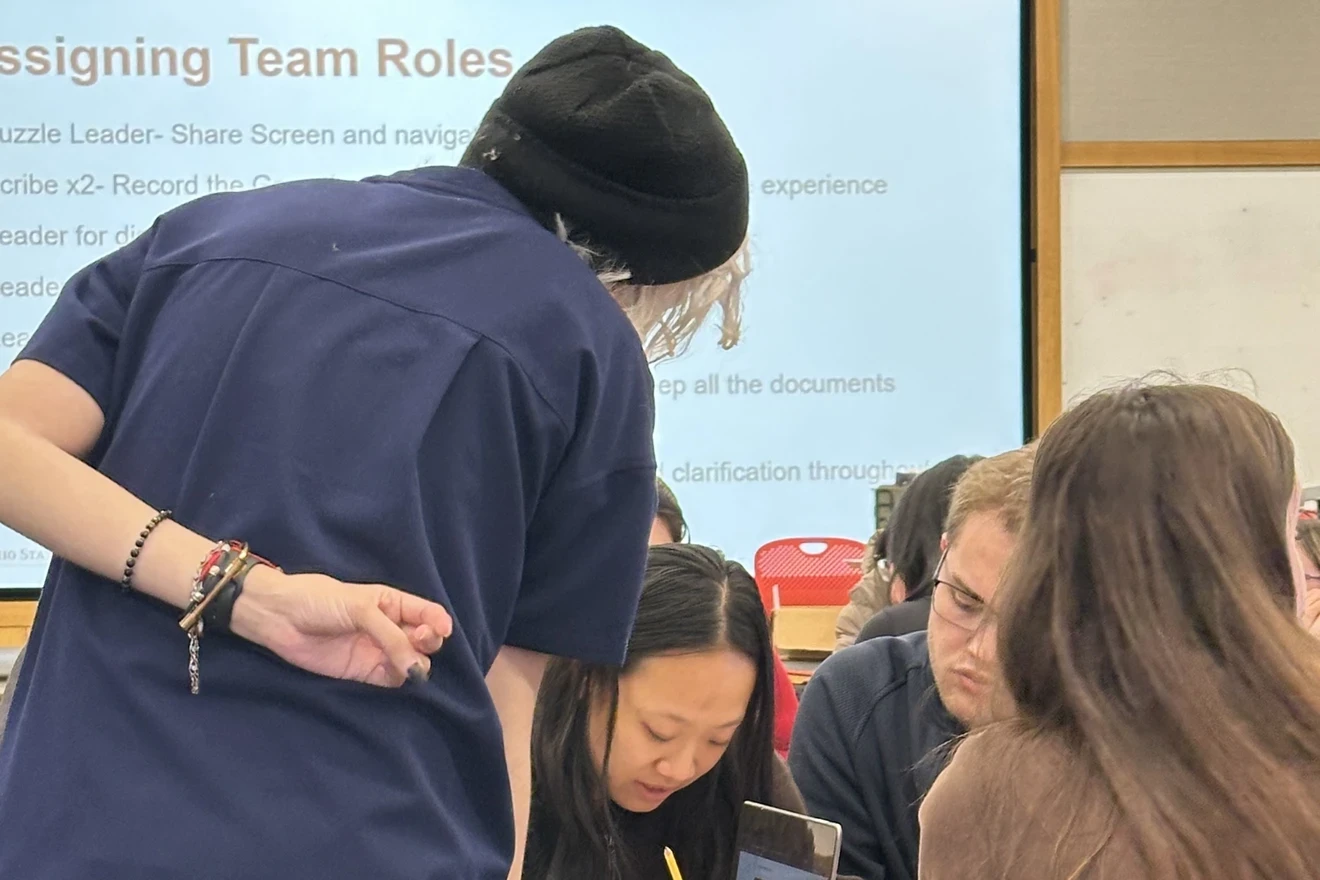
This wasn't just a semester spent in classrooms and labs; it was a season where the next generation of health care team members began to bridge the gap between individual expertise and collective impact. Throughout the semester, there was a record increase in how students rated their interprofessional experiences, signaling a clear understanding that the future of heath care greatly depends on the ability to work together.
Learners didn't just attend classes side-by-side; they stepped into the roles of tomorrow’s health care workforce by learning from and with one another. This semester proved that when learners come together, they aren't just gaining knowledge. Rather, they're building the foundation for better patient outcomes that no single person could achieve alone.
Learning in action
The success of this semester was built on thousands of shared moments between students and the dedicated faculty who guided them. It began with Community Cares Day and Fundamentals of Teamwork where nearly 2,000 interactions occurred between students and the community. In our Teams Advancing Health Outcomes (TAHO) events, over 1,600 students moved beyond their textbooks to work in teams. They worked in interprofessional teams to tackle complex, real-world health challenges, supported by more than 130 faculty facilitators who helped bridge the gap between theory and practice.
This term also saw the successful transition of Excellence in Clinical Interprofessional Simulation Education (ECLIPSE) into our learning portfolio at Atwell Hall. This ensured that high-level simulation training, a cornerstone of student development, remained a central part of the learning experience. Over 16 different programs engaged with in-person experiences and two participated through online platforms.
In addition, the IPE Registry grew to include more than 40 interprofessional learning opportunities across the University, involving 11 different colleges and more than 30 programs. This will lay the foundation to launch comprehensive menu-based interprofessional education curriculum planning in fall 2026 for several programs.
A community of future providers
We saw the training that occurred in the classroom spread into the community as well. At the start of the semester, we hosted 24 health and social service organizations on campus at a community-building event. The event emphasized "whole-person care" by teaching students to address drivers of health and well-being.
Meanwhile, a cohort of 36 Interprofessional Community Scholars worked directly with 18 community members, learning firsthand how partnerships can improve health literacy for everyone.
Looking ahead
Our learners are leaving this semester with more than just a passing grade; they will enter the workforce with an unprecedented level of preparation. They'll be ready to lead the way as members of health care teams of tomorrow.